✦ 1. Database content
1.1 Data Processing Workflow
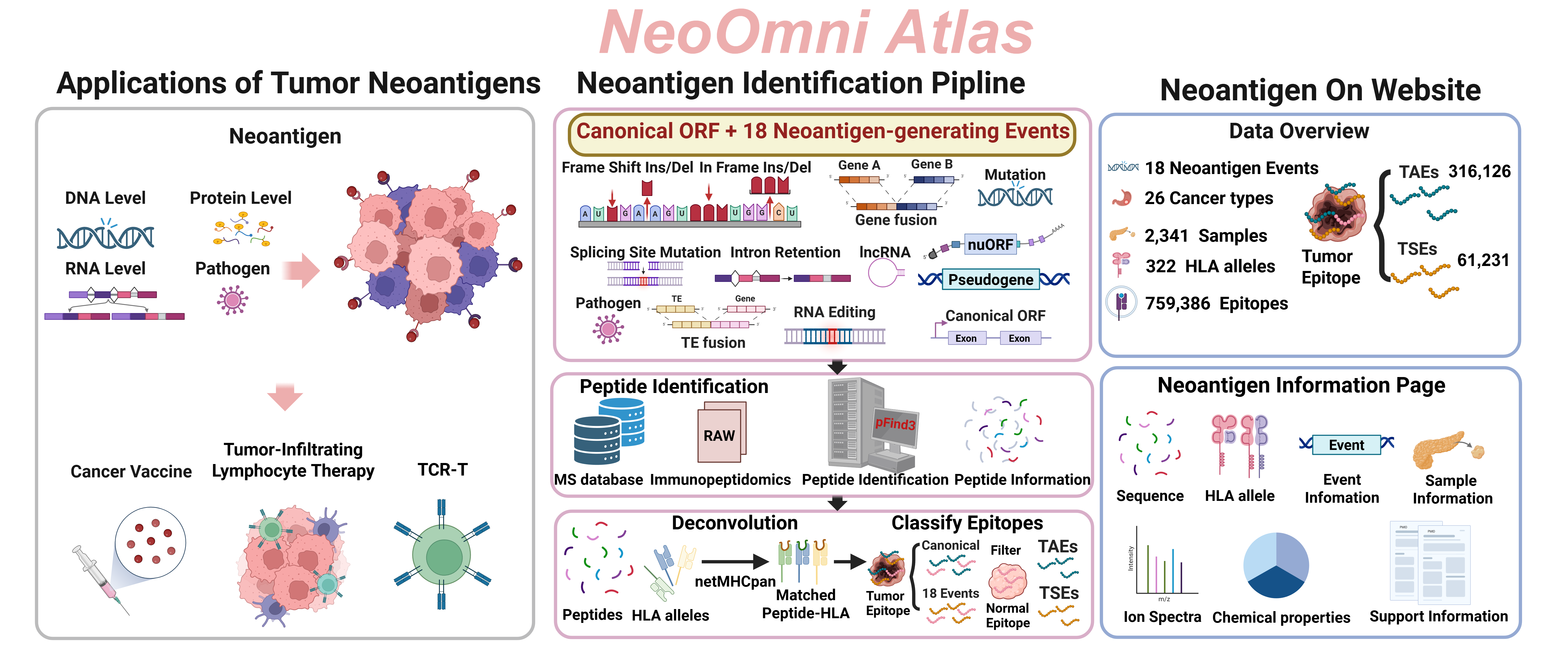
Figure 1. NeoOmni Atlas Workflow
1.1.1 Immunopeptidomics Dataset Collection
NeoOmni Atlas emphasizes the comprehensiveness of pan-cancer immunopeptidomics dataset collection. It includes an extensive collection of 7,561 mass spectrometry (MS) raw files. These files come from 117 published immunopeptidomics datasets. The data collection comes from multiple databases, including PRIDE [1], MassIVE [2], PeptideAtlas [3], JPOST [4], and iProX [5]. When a determined dataset is found, it can be downloaded directly from web links or FTP site links. We downloaded more than 10TB of raw data files in total.
1.1.2 Identification of 18 Types of Neoantigen Generation Events
We used a reviewed dataset of 20,435 human proteins and 288 contaminants (such as keratins) downloaded from UniPort as canonical sources for peptide identification. Then, based on the availability of matched immunopeptidomics public datasets and from literature and TCGA data downloaded from Xena, we selected 26 tumor types and included 18 different types of non-canonical neoantigen source events. These are: Mutation, Pseudogene, TE Fusion, lncRNA, Gene Fusion, Frame Shift Del, 3' Overlap dORF, 5' Overlap uORF, Out-of-Frame, 5' uORF, 3' dORF, Pathogen, Splicing Site Mutation, Intron Retention, Frame Shift Ins, RNA Editing, In Frame Del, and In Frame Ins.
1.1.3 Peptide Identification
After collecting all raw files, we integrated 19 types of neoantigen source events according to 26 tumor types to construct peptide identification library. We used the search software pFind 3.2.2 [6], which has been validated to identify the most peptides [7]. Different search strategies for low-precision and high-precision data ensure data accuracy. High-precision data is processed using open search mode, while low-precision data uses closed search mode. We adopted strict standards with FDR (false discovery rate) less than 1% to evaluate PSM (peptide-spectrum match), peptide, and protein level results. Overall, we identified 511.4 million MS/MS spectra, generating 759,386 unique ligands.
1.1.4 Peptide Deconvolution and Binding Prediction
For HLA-I: Following NetMHCpan 4.1 binding classification standards, only ligands between 8 to 15 amino acids are considered. %Rank values are primarily used to evaluate binding scores.
For HLA-II: Following NetMHCIIpan 4.3 binding classification standards, only ligands between 8 to 25 amino acids are considered. %Rank values are primarily used to evaluate binding scores.
1.2 NeoOmni Atlas Overview
Tumor neoantigen therapy has demonstrated significant clinical efficacy, bringing new hope to cancer patients [8]. Precise identification of neoantigens is the core foundation for developing personalized cancer immunotherapy [9,10]. Neoantigens derived from tumor-specific mutations can be specifically recognized by the immune system, providing critical targets for precision immunotherapy [11]. Mass spectrometry-based immunopeptidomics neoantigen identification provides a promising solution to this challenge, enabling more precise detection and advancing the development of personalized cancer therapy.
The NeoOmni Atlas provides a comprehensive tumor-specific landscape of MHC-bound peptides identified across pan-cancer from various tumor neoantigen events. In this study, we analyzed 7,561 immunopeptidomics MS datasets (544 million raw spectra) from 2,341 samples across 26 cancer types, conducting comprehensive screening of classical protein-derived and non-canonical variant epitopes from 18 different types of tumor-associated molecular events (such as previously unexplored RNA editing, intron retention, and transposable element (TE) fusions), revealing a rich repository of tumor antigens available for immunotherapy. Through pan-cancer analysis, we identified a total of 663,529 canonical peptides and 95,857 non-canonical peptides. Among these, 759,386 ligands were assigned to 322 HLA alleles after deconvolution (163 HLA class I alleles and 159 HLA class II alleles). More importantly, by comparing with peptides present in normal tissues, we identified for the first time 316,126 tumor-associated epitopes (TAEs, classical in origin but present only in tumors) and 61,231 tumor-specific epitopes (TSEs, derived from non-canonical variants), which are observed only in tumors, expanding the range of potential immune targets in cancer. This expansion transcends the limitations of classical antigens, enabling us to present a panoramic view of the neoantigen landscape and capture the full complexity of antigen presentation in tumors.
◆ A total of 7,561 mass spectrometry files from 2,341 samples in 26 cancers were collected, resulting in 511 million MS spectra.
◆ 872,414 canonical and 198,961 noncanonical immune peptides, derived from canonical proteins and 18 distinct types of non-canonical alterations: 1) Somatic alterations, including point mutations, frameshift insertions/deletions, in-frame insertions/deletions, splicing site mutations, and intron retention. 2) Gene fusions and transposable element (TE) fusions. 3) Non-coding RNA–derived events, including lncRNAs and pseudogenes. 4) Unannotated translation events, including out-of-frame ORFs, uORFs (upstream ORFs), dORFs (downstream ORFs), and overlapping ORFs. 5) RNA-level alterations, including RNA editing and pathogen- or virus-derived peptides.
◆ 759,386 immune ligands were deconvoluted and assigned to 322 HLA alleles (163 HLA-I alleles and 159 HLA-II alleles).
◆ 316,126 epitopes were classified as TAEs, and 61,231 were identified as TSEs.
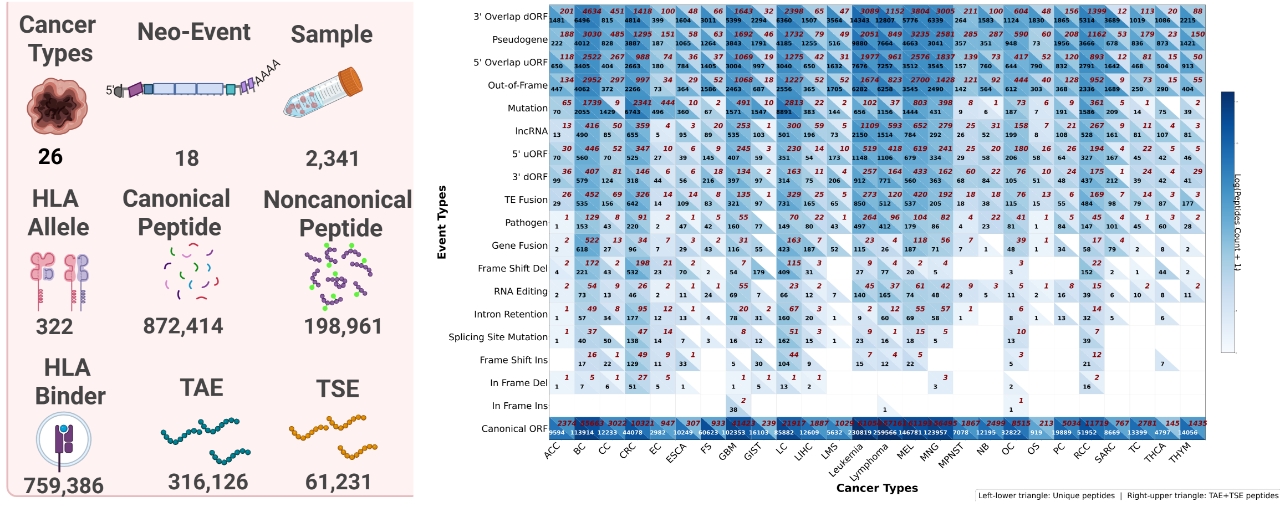
Figure 2. NeoOmni Atlas Content and Statistics
✦ 2. Usage
2.1 NeoOmni Atlas Quick Start
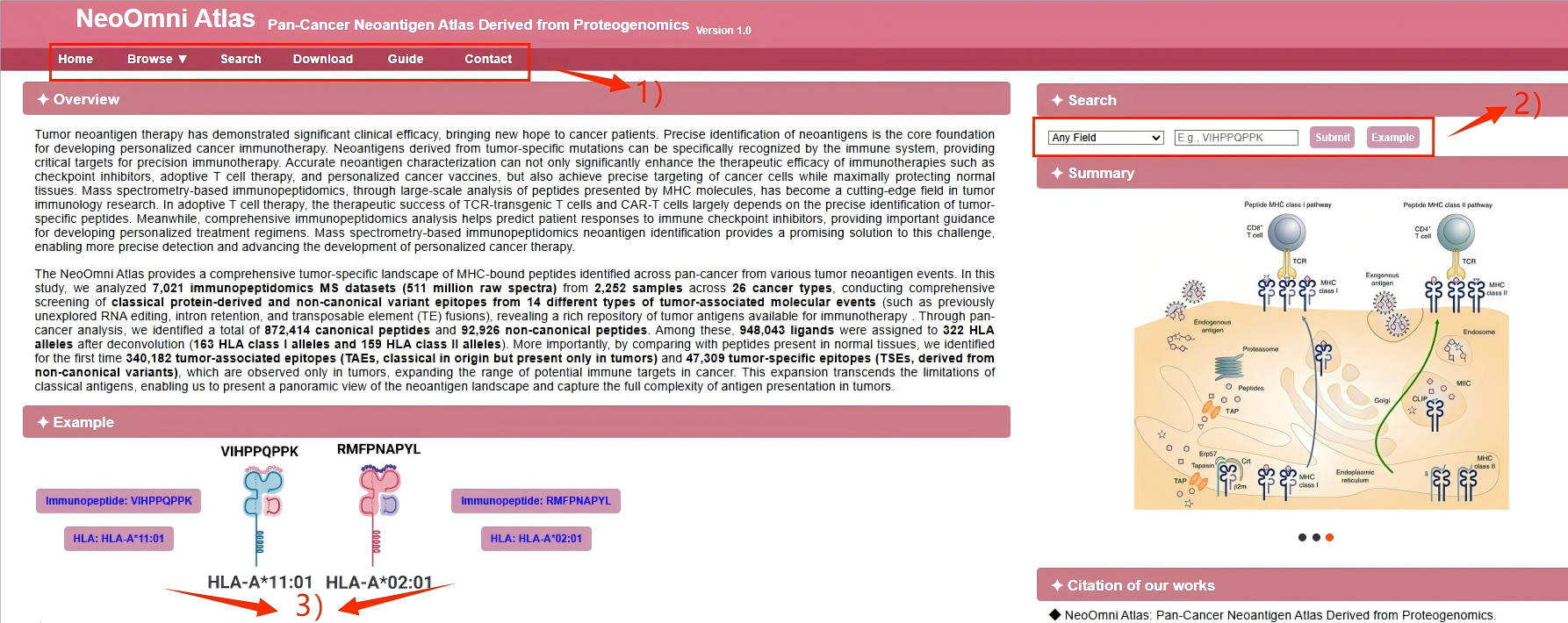
In the NeoOmni Atlas database, an interactive interface is constructed in a user-friendly manner:
1) The main functions of the database are provided in the form of a menu bar.
2) Input any field we provide for quick search.
3) Two examples of peptide-HLA-allele pairs to quickly familiarize users with the content of the NeoOmni Atlas.
We designed and developed 6 search options to obtain associations between immunopeptides and HLA alleles, including 1) Simple Search, 2) Advanced Search, 3) Immunopeptide Search, 4) HLA Search, 5) Event Search, and 6) Protein Post-translational Modification Search.
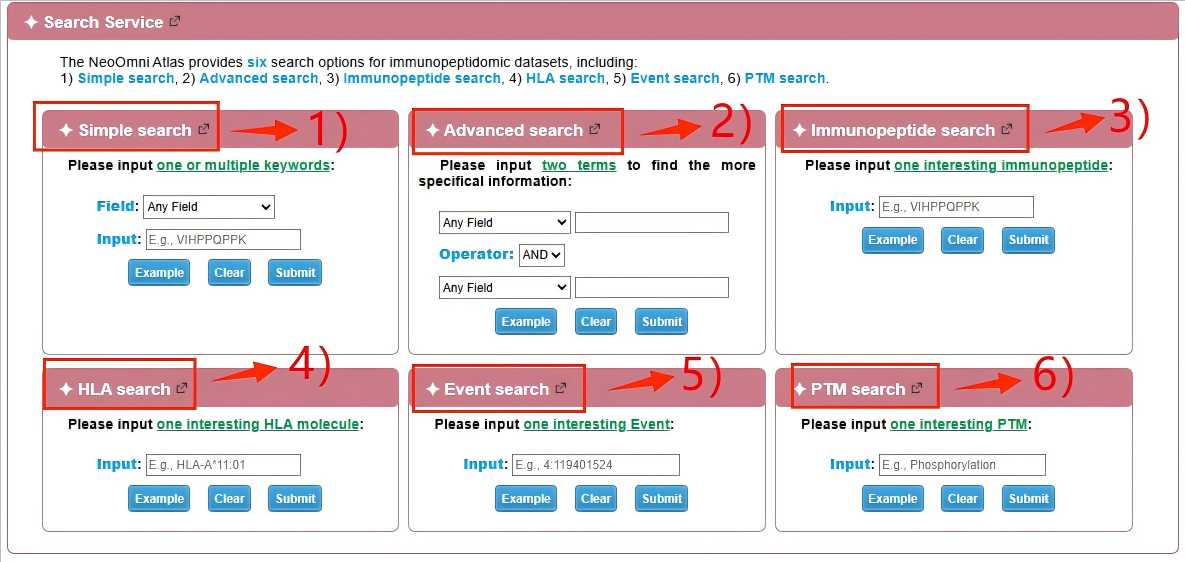
1). Simple Search:
Example: Please click the "Example" button to search for "VIHPPQPPK" in the "Immunopeptide" field. After clicking the "Submit" button, relevant immunopeptides will be displayed.
 Simple Search.png)
2). Advanced Search:
Example: Please click the "Example" button to search for the interaction between "VIHPPQPPK" and "HLA-A*02:01". Click the "Submit" button, and relevant information will be displayed.
 Advanced Search.png)
3). Immunopeptide Search:
Example: Please click the "Example" button to load an example that will search for "VIHPPQPPK". After clicking the "Submit" button, relevant immunopeptides will be displayed.
 Immunopeptide Search.png)
4). HLA Search:
Example: Please click the "Example" button to load "HLA-A*02:01". Click the "Submit" button, and relevant HLA alleles will be displayed.
 HLA Search.png)
5). Event search:
Example: Please click the "Example" button to search for "4:119401524". Click the "Submit" button, and relevant information will be displayed.
 Event Search.png)
6). PTM search:
Example: Please click the "Example" button to search for "Phosphorylation". Click the "Submit" button, and relevant information will be displayed.
 PTM Search.png)
Four Four browsing options are provided in NeoOmni Atlas to obtain core datasets, including 1) Browse by Cancer, 2) Browse by Tissue, 3) Browse by HLA, and 4) Browse by PTM.
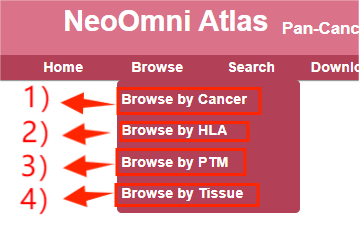
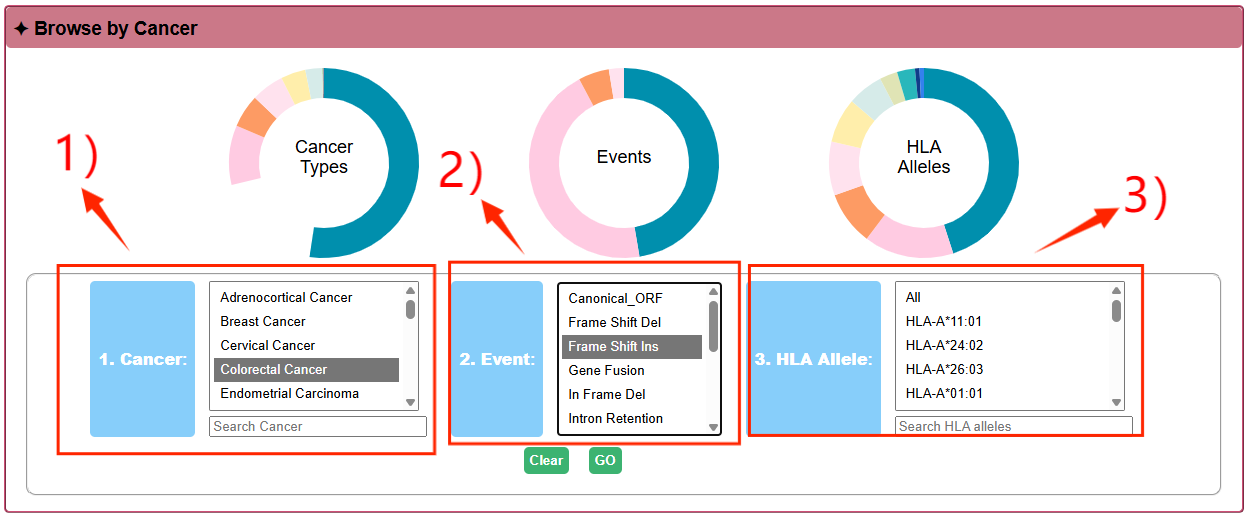
2.3.1 Browse by Cancer:
① You can select a type of cancer to browse all TAEs and TSEs for the corresponding cancer type.
② You can select all TAEs and TSEs under a mutation event for that tumor type.
③ You can select all TAEs and TSEs for one HLA under that mutation event for that tumor type.
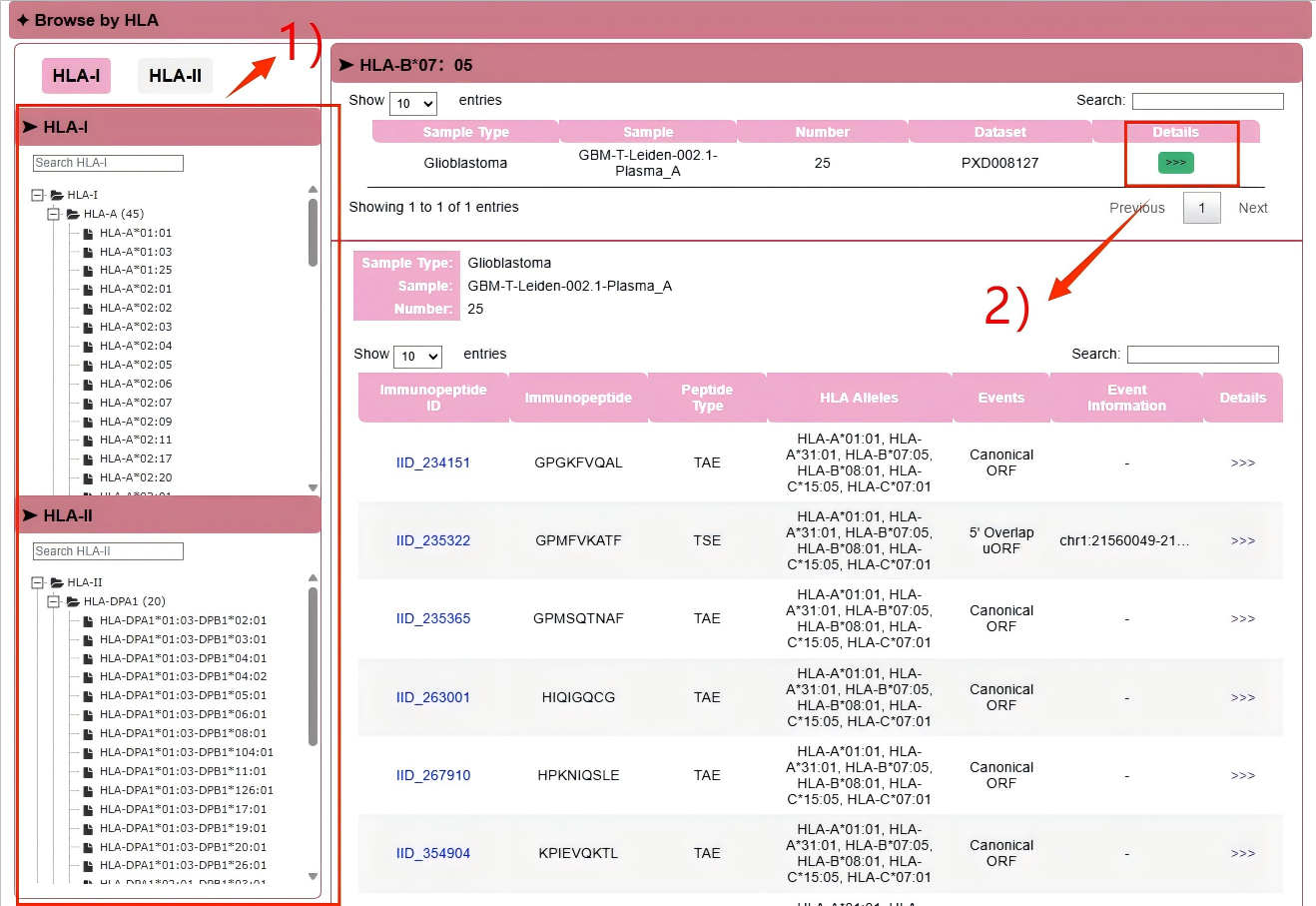
2.3.2. Browse by HLA:
① You can select one of these HLA molecules to browse all samples for the corresponding HLA.
② Click here to view specific information about that sample under this HLA.
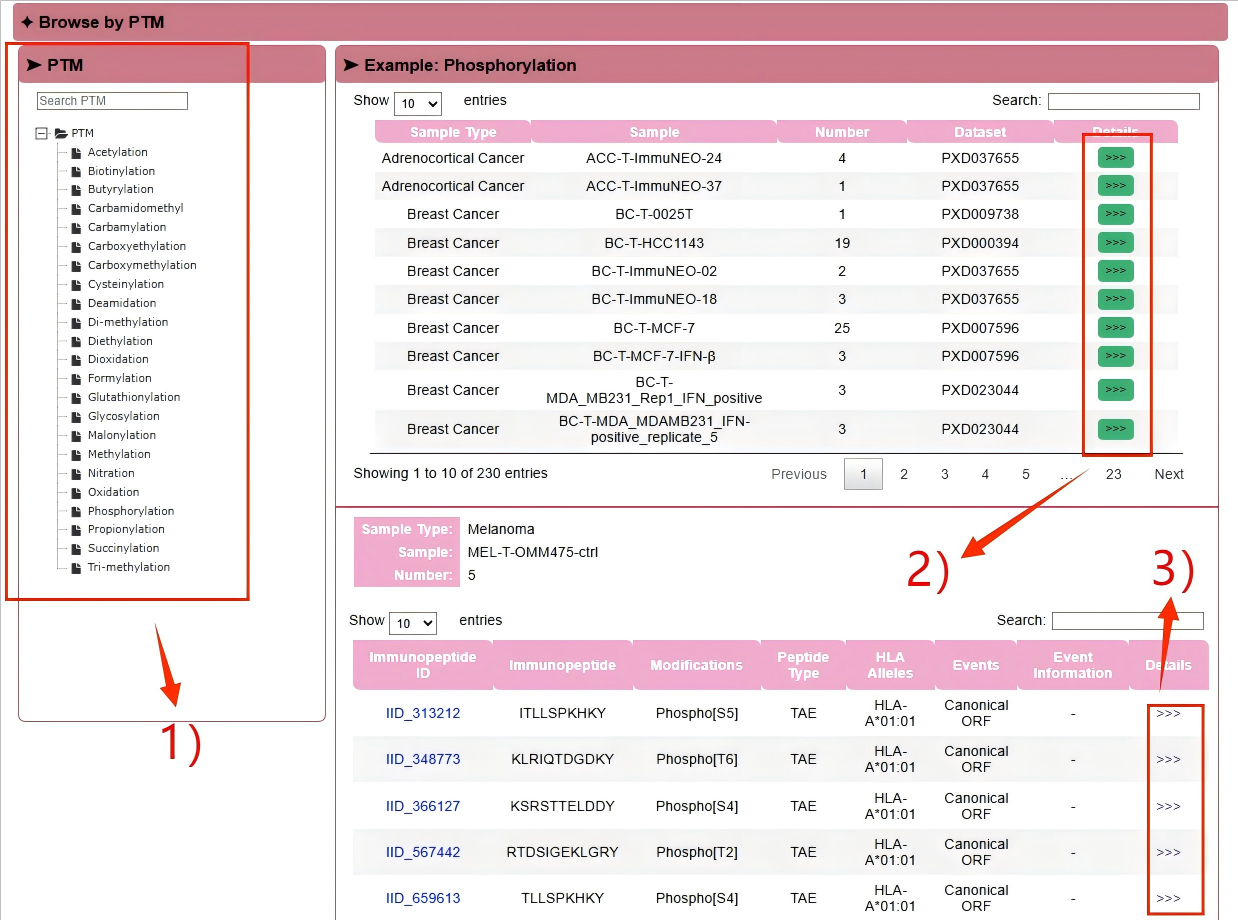
2.3.3. Browse by PTM:
① You can select a PTM to view all samples under that type.
② You can select a sample to view its specific information and the number of peptides.
③ You can click here to view the specific information of this peptide.
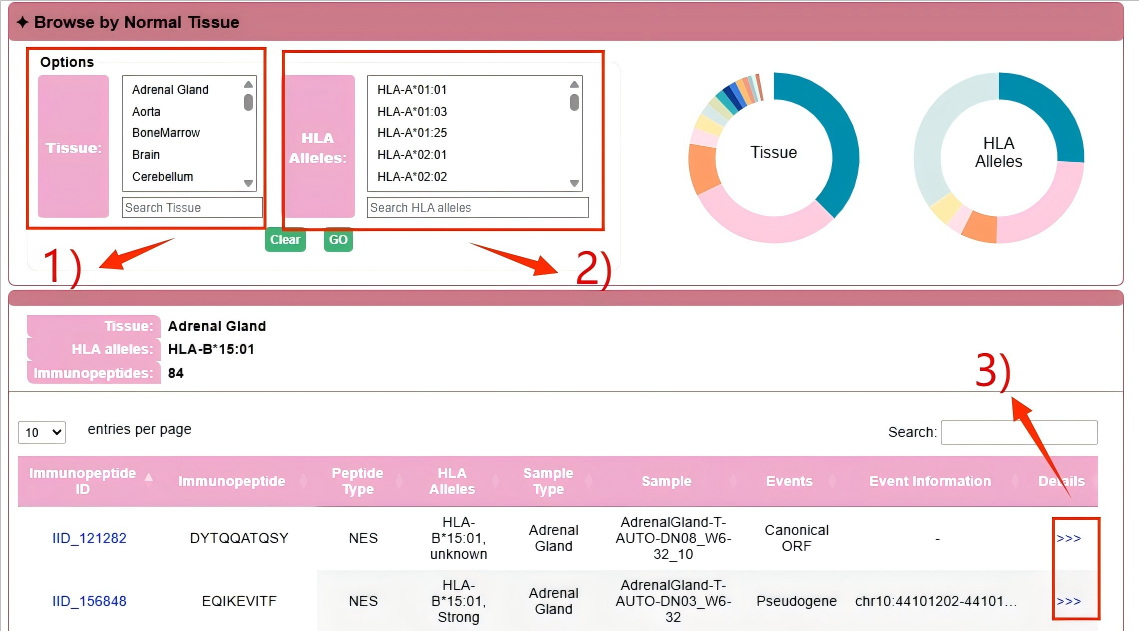
2.3.4. Browse by Tissue:
① You can select a type of tissue to browse all peptides present in normal tissues for the corresponding tissue type.
② You can select all peptides present in normal tissues under one HLA for that tissue type.
③ You can click here to view the specific information of this peptide.
✦ 3. Basic Information of Immunopeptides
To provide basic information about peptides, the following details should be included: peptide identifier, number of HLA alleles associated with the peptide, source protein from which the peptide originates, chemical properties, BY ion spectrum.
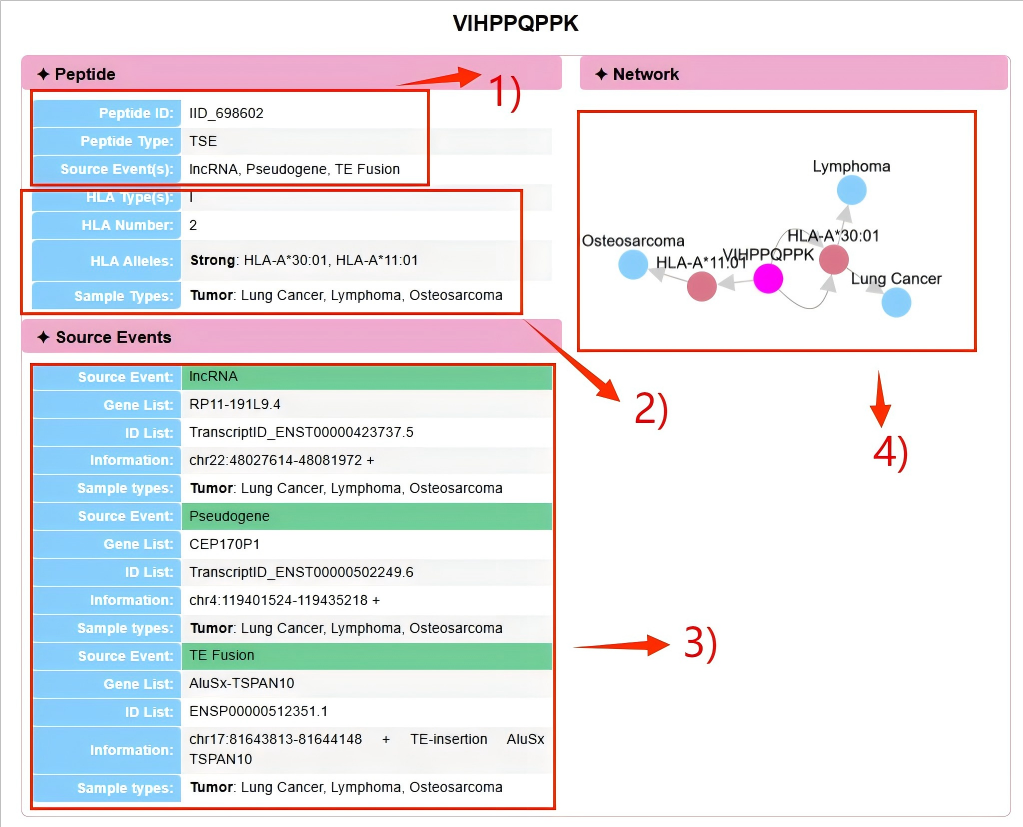
1) Peptide Identifier: This is the unique identifier for peptides in NeoOmni Atlas.
2) Number of HLA Alleles: This refers to the number of HLA alleles that the peptide can bind to. HLA sample types: whether from normal or tumor tissues.
3) Source Events: This is the source of this peptide segment, the gene name and the corresponding ID number.
4) Peptide-centered network diagram, connected by arrows to their corresponding HLA alleles, further pointing to related cancer types.
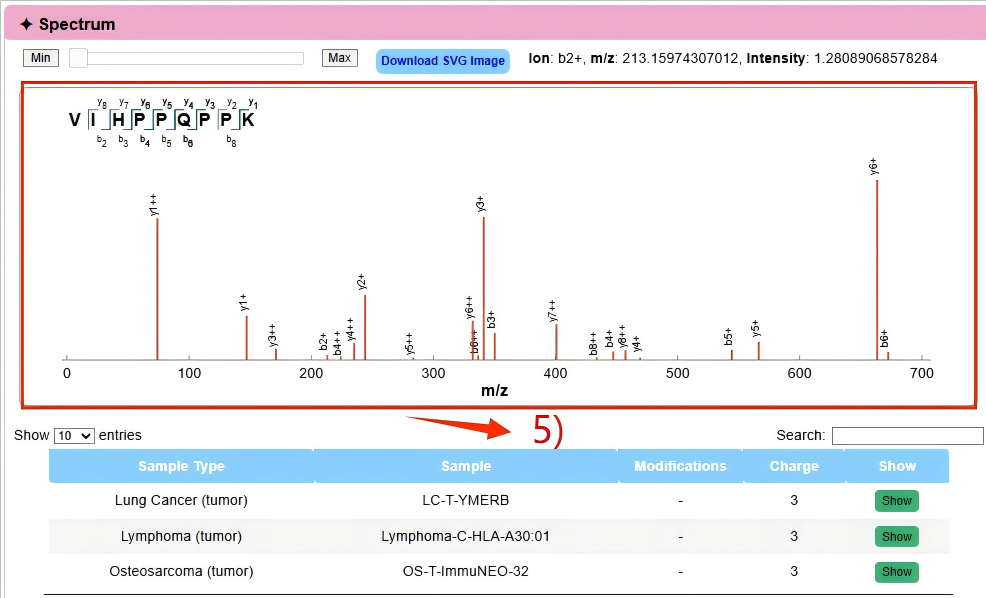
5) BY Ion Diagram:Used for peptide identification and sequencing, providing corresponding image downloads and PSM scores.
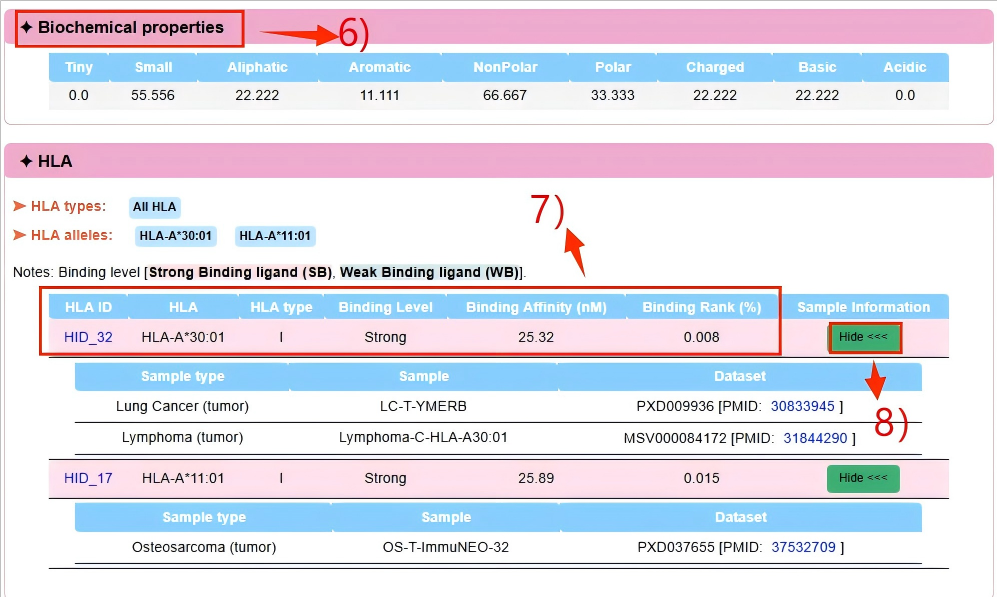
6) Chemical Properties: Description of chemical properties corresponding to this peptide.
7) Predicted information about binding affinity between peptides and HLA molecules.
8) Retrieve sample information associated with the peptide.
✦ 4. References
[1] PEREZ-RIVEROL Y, BAI J, BANDLA C, et al. The PRIDE database resources in 2022: a hub for mass spectrometry-based proteomics evidences. Nucleic Acids Res, 2022, 50(D1): D543-d52.
[2] CHOI M, CARVER J, CHIVA C, et al. MassIVE.quant: a community resource of quantitative mass spectrometry-based proteomics datasets. Nat Methods, 2020, 17(10): 981-4.
[3] OMENN G S, LANE L, OVERALL C M, et al. The 2023 Report on the Proteome from the HUPO Human Proteome Project. J Proteome Res, 2024, 23(2): 532-49.
[4] WATANABE Y, YOSHIZAWA A C, ISHIHAMA Y, et al. The jPOST Repository as a Public Data Repository for Shotgun Proteomics. Methods Mol Biol, 2021, 2259: 309-22.
[5] Chen T, Ma J, Liu Y, et al. iProX in 2021: connecting proteomics data sharing with big data. Nucleic Acids Res, 2022, 50(D1):D1522-D1527.
[6] CHI H, LIU C, YANG H, et al. Comprehensive identification of peptides in tandem mass spectra using an efficient open search engine. Nat Biotechnol, 2018.
[7] YI X, LIAO Y, WEN B, et al. caAtlas: An immunopeptidome atlas of human cancer. iScience, 2021, 24(10): 103107.
[8] Salgia NJ, Dizman N, Pal SK: Of HIFs and hERVs: Neoantigen generation in kidney cancer. Cancer Cell, 2025, 43:820-822.
[9] Huber F, Arnaud M, Stevenson BJ, Michaux J, Benedetti F, Thevenet J, Bobisse S, Chiffelle J, Gehert T, Müller M, et al: A comprehensive proteogenomic pipeline for neoantigen discovery to advance personalized cancer immunotherapy. Nat Biotechnol, 2024.
[10] Ely ZA, Kulstad ZJ, Gunaydin G, Addepalli S, Verzani EK, Casarrubios M, Clauser KR, Wang X, Lippincott IE, Louvet C, et al: Pancreatic cancer-restricted cryptic antigens are targets for T cell recognition. Science, 2025, 388:eadk3487.
[11] Kwok DW, Stevers NO, Etxeberria I, Nejo T, Colton Cove M, Chen LH, Jung J, Okada K, Lakshmanachetty S, Gallus M, et al: Tumour-wide RNA splicing aberrations generate actionable public neoantigens. Nature, 2025, 639,8054: 463-473.