✦ Overview
Tumor neoantigen therapy has demonstrated significant clinical efficacy, bringing new hope to cancer patients. Precise identification of neoantigens is the core foundation for developing personalized cancer immunotherapy. Neoantigens can be specifically recognized by the immune system, providing critical targets for precision immunotherapy. Accurate neoantigen characterization can not only significantly enhance the therapeutic efficacy of immunotherapies such as checkpoint inhibitors, adoptive T cell therapy, and personalized cancer vaccines, but also achieve precise targeting of cancer cells while maximally protecting normal tissues. Mass spectrometry-based immunopeptidomics, through large-scale analysis of peptides presented by MHC molecules, has become a cutting-edge field in tumor immunology research. In adoptive T cell therapy, the therapeutic success of TCR-transgenic T cells and CAR-T cells largely depends on the precise identification of tumor-specific peptides.
To comprehensively decode this landscape, we established the NeoOmni Atlas, which delineates the pan-cancer T cell epitope resource through proteogenomic analysis of 7,561 immunopeptidomics datasets (511 million raw spectra) from 2,341 samples spanning 26 cancer types, enabling systematic discovery of 872,414 eluted canonical peptides and 198,961 non-canonical peptides from 18 molecular alteration classes. Furthermore, we identified 759,386 unique HLA ligands presented by 322 distinct alleles, comprising 663,529 canonical and 95,857 non-canonical epitopes. Compared to existing repositories, NeoOmni Atlas expands cancer type coverage, incorporates 60 additional HLA alleles, and documents 369,781 novel HLA ligands. Moreover, tumor-specific filtration uniquely revealed 316,126 tumor-associated epitopes (TAEs; canonical/tumor-exclusive) and 61,231 tumor-specific epitopes (TSEs; non-canonical/tumor-restricted). TSEs exhibited superior binding affinity to HLA-A/B allotypes versus TAEs, with both classes exhibiting therapeutic potential for precision immunotherapies. We further identified 32 conserved TSEs recurrent across over 10 tumor types as prime universal vaccine candidates, and allele-specific immunogenicity patterns highlighted TSE dominance in HLA-A01:01/B07:02 contexts versus TAEs in HLA-A02:01/B24:02/B27:05. Notably, our proteogenomic analysis prioritized actionable tumor antigens per cancer type, including PMEL (gp100:209–217, Phase II trials for melanoma) and CSPG4 (target for TCR-T therapies) with confirmed therapeutic utility. Taken together, this atlas provides the definitive resource for systematic targeting of tumor-restricted (neo)antigens, accelerating the development of precision immunotherapies across diverse malignancies.
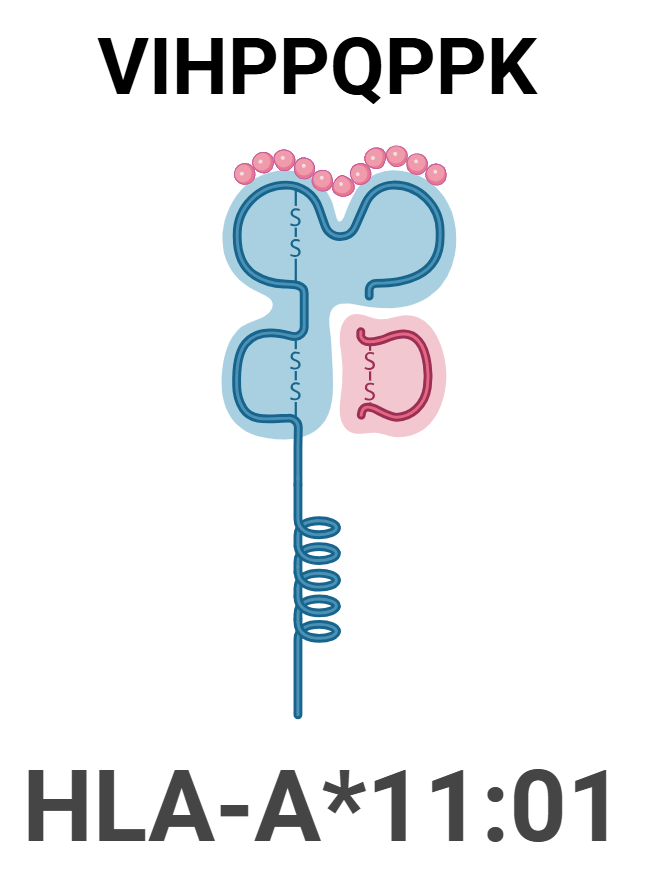
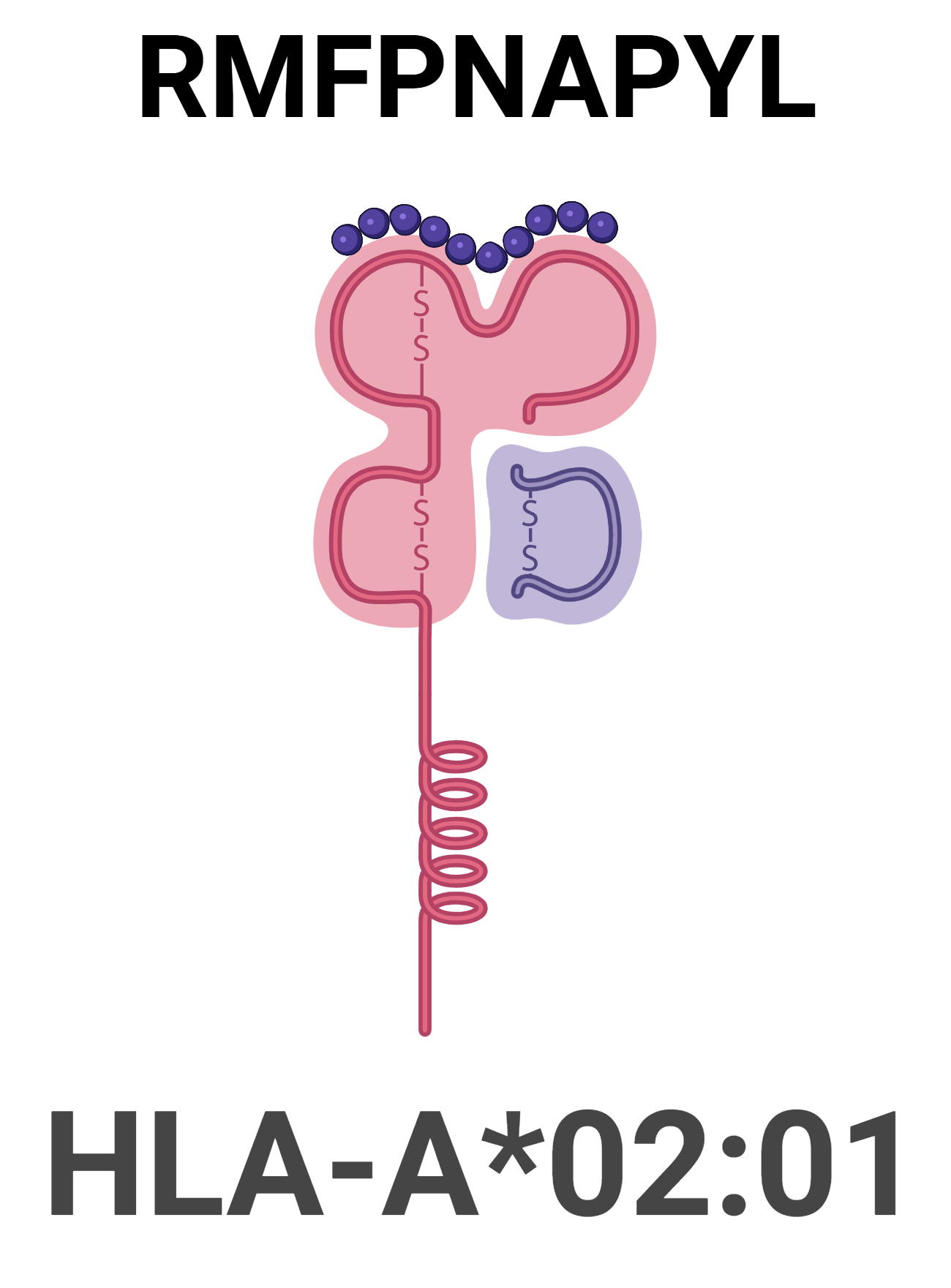
✦ Example
 |
 |
✦ Developers:
Tao Zheng, Zhi Ran, Shaofeng Lin, Haodong Xu @ CIMB, Central South University.